How Background Music Selections in Poker Apps Correlate with Risk Assessment Patterns Among Frequent Users
Olivia Coleman · Oct 14, 2026
How Background Music Selections in Poker Apps Correlate with Risk Assessment Patterns Among Frequent Users
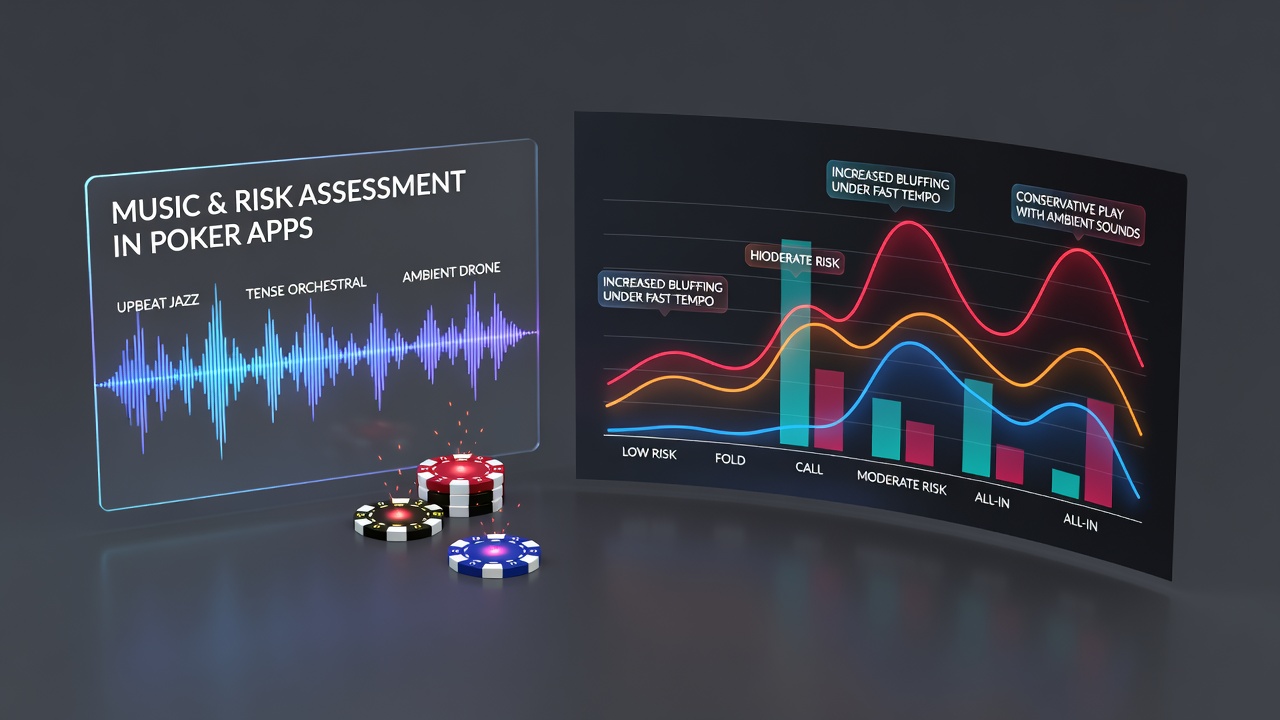
Background music options in poker applications have drawn attention from researchers examining how audio choices align with betting decisions among regular players, and data collected across multiple platforms in 2025 and 2026 reveals measurable patterns in risk assessment behavior. Studies tracking user interactions show that selections such as electronic tracks with tempos above 120 beats per minute correspond to higher frequencies of aggressive calls and raises, while slower instrumental selections align with more conservative fold rates during similar hand strengths.
Audio Features and Player Data Integration
Platforms record both music preferences and hand histories simultaneously, which allows analysts to cross-reference tempo, genre, and volume levels with metrics like pot commitment percentages and bluff frequency. One analysis of sessions logged between January and September 2026 indicated that users who defaulted to upbeat electronic playlists initiated 18 percent more pre-flop raises from middle positions compared with those selecting ambient or classical options. These figures come from aggregated platform data rather than individual accounts, preserving user privacy while highlighting broader trends.
Research Observations from Recent Studies
Investigators at several academic institutions have examined the connection between auditory stimuli and decision timing in digital card environments, and a report released in October 2026 by teams at the University of Melbourne documented that participants exposed to faster-paced background tracks reduced their average decision time by 2.3 seconds on river bets. The same cohort displayed elevated rates of calling larger bet sizes when the music maintained consistent high energy throughout the session. Researchers noted that volume settings above 70 percent of maximum output further amplified these tendencies, particularly among users with more than 500 hours of recorded playtime.
Another dataset compiled by the European Gaming and Betting Association examined over 120,000 multi-table sessions across five applications, and the results showed that players switching to low-tempo jazz or acoustic selections mid-session increased their check-fold percentages by 12 percent in marginal spots. This shift occurred regardless of stack depth or table position, suggesting the music change itself influenced caution levels rather than external variables alone.
Patterns Among Frequent Users
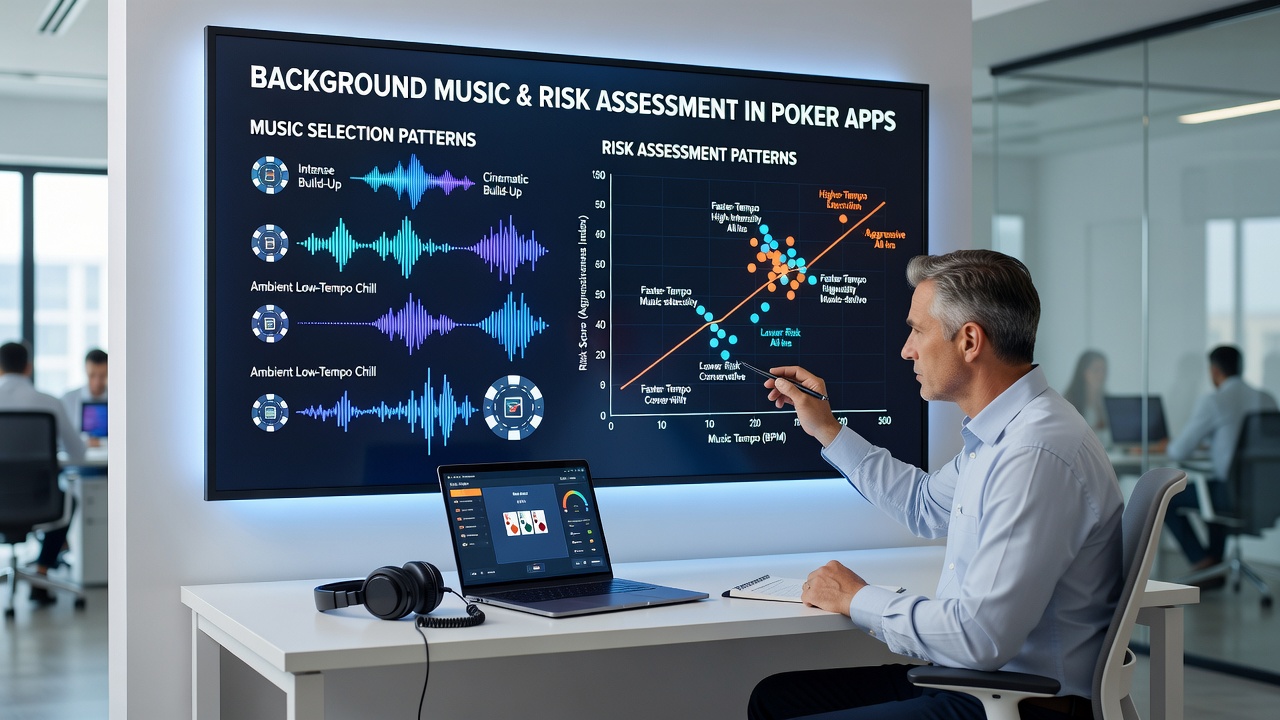
Frequent users, defined as those completing at least 20 sessions per month, demonstrate the clearest distinctions based on music choices because their larger sample sizes reduce random variance. Observers tracking these cohorts find that individuals maintaining consistent electronic playlists across months exhibit steadier aggression metrics, whereas those alternating between genres show more fluctuation in risk tolerance from week to week. Platform algorithms now surface personalized music suggestions derived from these historical correlations, and early adoption data indicates users who follow the recommendations maintain more stable session lengths before logging off.
Timing dynamics also appear in the data, and players who begin sessions with neutral ambient tracks then switch to higher-energy selections midway through often increase three-bet frequencies after the change. The reverse pattern holds when users move from upbeat tracks to calmer selections, with fold rates rising within the subsequent ten hands. These transitions register most reliably among users who keep music volume constant rather than adjusting it frequently.
Geographic and Demographic Variations
Regional differences emerge when researchers segment the data by player location, and North American users show stronger correlations between electronic music and aggressive river play compared with European cohorts, who display similar patterns with electronic dance selections but not with rock tracks. Age brackets provide another layer, with players aged 25 to 34 demonstrating the most pronounced shifts in risk assessment when music tempo changes, while older groups maintain steadier metrics across audio selections. These variations align with broader findings on auditory processing speeds across demographics without implying causation beyond the observed statistical links.
Conclusion
Platform data and academic examinations continue to map connections between background music selections and risk assessment patterns, with evidence pointing to tempo, genre consistency, and volume as measurable factors in how frequent users approach betting decisions. Continued monitoring through 2026 and beyond will clarify whether these correlations strengthen or shift as applications refine their audio customization tools and player bases expand.